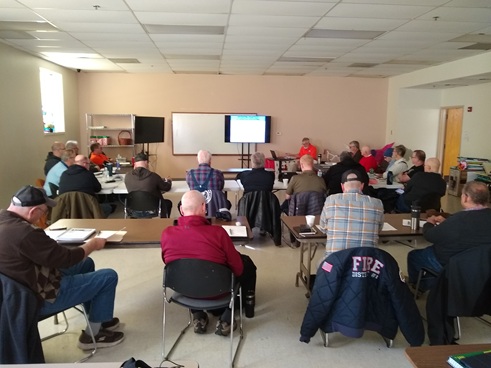
 The first class on January 10th filled the classroom
The SFTARC started off 2026 by teaching an eight-week-long class on Saturday mornings to help General Class operators upgrade to Extra Class. Make no mistake about it, the jump in technical knowledge required to obtain an Extra Class License compared to the Technician or General Class tickets is significant. On January 10th, the classroom was filled to capacity with students up to the challenge.
Most of the students held General Class Licenses, a couple had Tech licenses and were using the class to move up to General then Extra. At least two students already held an Extra ticket and were in the class as a review. All 22 students that started the class were eager to learn. Illness and life-events forced a few of students to drop the class—while the rest worked to digest the wide range of technical concepts presented in the ARRL’s Extra-Class License manual.
Without a doubt, the SFTARC’s method of teaching could be considered “Old Fashioned.” In an era where most ham classes are taught by some version of question-and-answer memorization, the SFTARC has stuck with teaching the subject matter so that students can build a foundation of knowledge on which they can later expand. Many students supplemented the in-class instructions with a variety of Q&A exercises, including the ARRL’s online practice question that are synchronized to the chapters in the book.
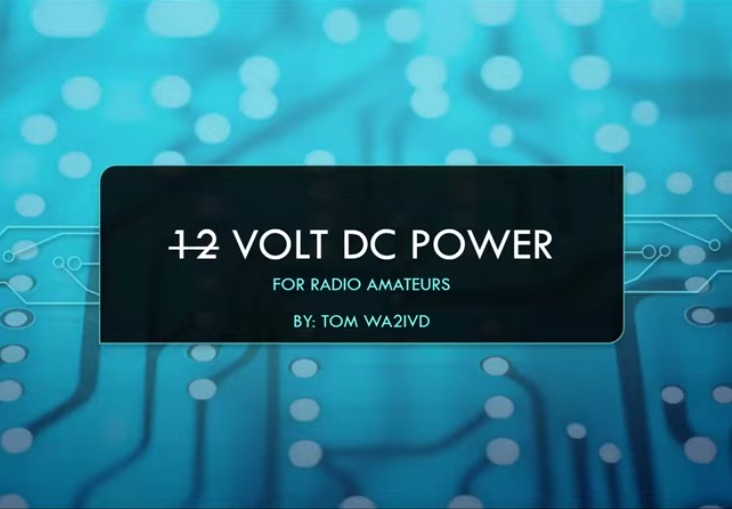
PowerPoint presentations were used as the primary teaching tool, supplemented by in-class exhibits ranging from a hand-held antenna for satellites work, to observing modulation on both an oscilloscope and a spectrum analyzer simultaneously to an up-close look at tower-climbing safety gear. And there were also mini presentations presented just before or after break time. These short presentations covered a variety of topics to expand one’s horizons and to be fun at the same time.
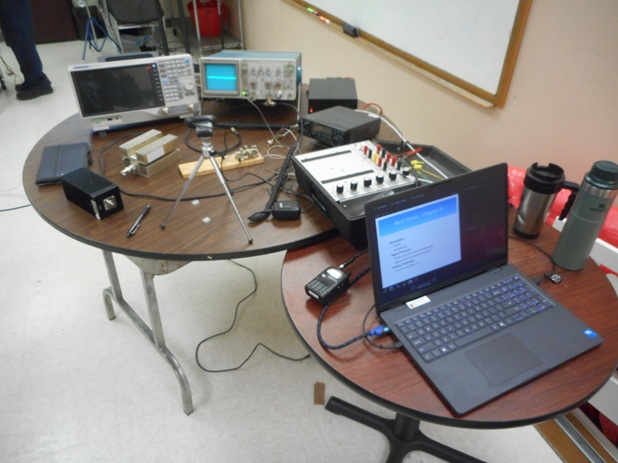 Test Equipment let the students observe waveforms and modulated RF signals
After eight Saturday morning classes, including one held over Zoom due to unsafe road conditions, 11 of the students were ready to take the exam. Other students wanted to give themselves more time to study before taking he exam. Jim Lee’s W5YI Volunteer Examiner group did a remarkable job of assembling a team of examiners on the morning of March 7. Nine students upgraded that morning while other students plan to take or retake the test after more study.
After the students had completed the testing, we ended the course with a PowerPoint presentation called “Practical Applications.” It discussed a wide range of topics ranging from wire and beam antennas to mobile HF installations to setting up a test bench to DXpeditions. The goal was to encourage students to forge ahead with exploring many areas of amateur radio.
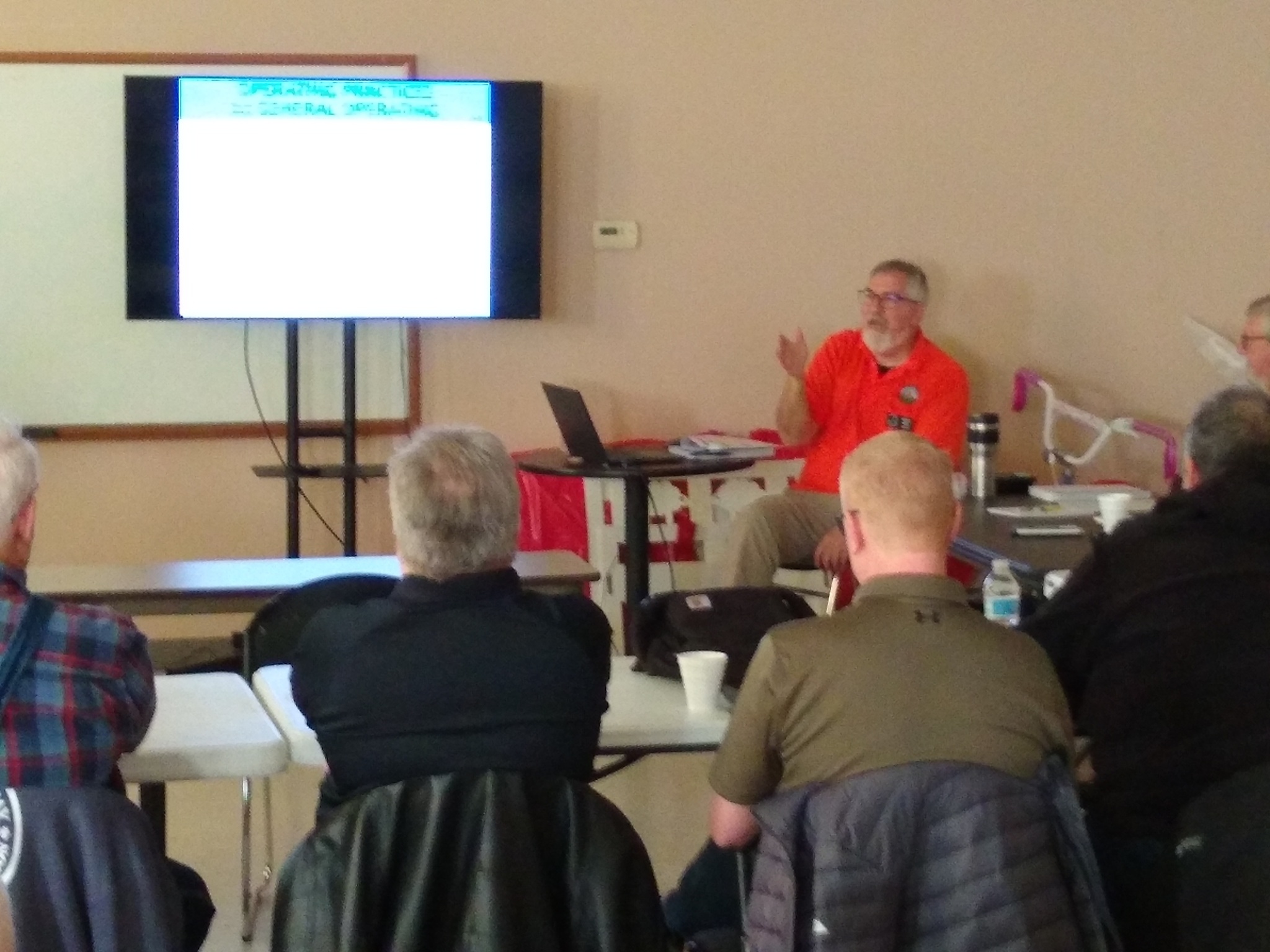 Mike,NØTU, joined the instructor team this year
The 2026 instruction was split up between five instructors: George McCarville, WBØCNK; Greg Wolfe, KIØKK; Jim Andera, KØNK; Larry Hall, KDØRIU and Mike Stewart, NØTU. . Each instructor devoted a significant amount of time into preparing their respective presentations and sitting in on classes taught by other instructors.
The Salvation Army in Olathe was also a key player in the success of the class, by providing the venue for the classes and exam session. SFTARC Treasurer, Marty Peters, KEØPEZ, helped by ordering the license manuals. And thanks go out to Jeff Widgren, KCØJAZ, for loaning us a projector for many of the classes to make the presentations more visible to the student in the back of the room.